BLD Fulbright Follow-Up: Katie McGraw’s Journey in Malawi

With her Fulbright research in Malawi now complete, Katie McGraw reflects on a year of challenges and growth. As the first undergraduate Fulbright recipient from the Biomedical Laboratory Diagnostics Program, she spent the past year researching malaria and using her MLS training in a real-world global health setting.
Her experience living and working abroad offered new perspectives beyond the lab, enhancing her research abilities and helping shape her long‑term goals.
Much of what defined McGraw’s year in Malawi was learning how to apply her MLS training in a true research environment. While she entered the Fulbright appointment with strong technical lab skills, she had limited experience managing the full research process. Developing hypotheses, designing experiments, and troubleshooting when things didn’t go as planned required a level of independence that felt very different from coursework. “This experience really pushed me to get out of my comfort zone and to think more independently as a scientist”, McGraw said.
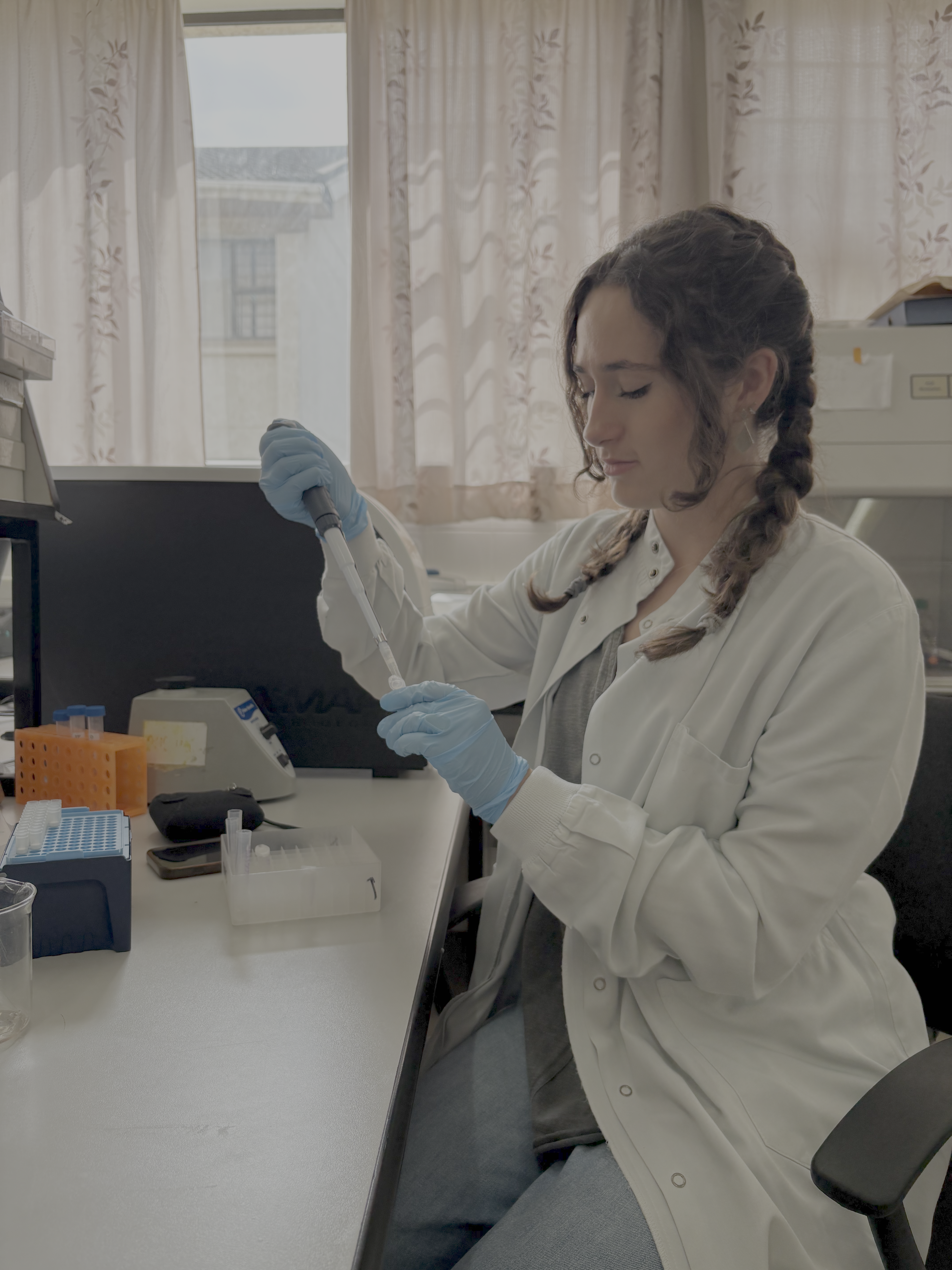
Applying her growing research skills, McGraw spent the year investigating the relationship between ABO blood type and malaria severity. Her project focused on the ABO(H) blood group system, which is defined by the presence of A, B, and H antigens on blood cells. While blood group O has been linked to reduced disease severity, McGraw examined whether the quantity of these antigens—particularly on platelets and red blood cells—played a role. Using flow cytometry, she measured antigen expression in pediatric patients diagnosed with asymptomatic or uncomplicated malaria, with preliminary findings suggesting that higher levels of H antigen, especially on platelets, were more commonly observed in children with asymptomatic malaria across multiple blood groups. Because the project is still ongoing, the lab in Malawi continues to explore how these findings may relate to malaria pathogenesis.
Conducting research in Malawi also meant adapting to challenges that extended beyond the experimental design. Working in a resource‑limited laboratory required flexibility, patience, and problem‑solving, as equipment issues, supply delays, and unexpected setbacks were a regular part of daily work. Rather than following a fixed timeline, McGraw learned to adjust protocols and move projects forward with the resources available. Navigating these challenges reinforced the importance of persistence and adaptability in real‑world research, shaping how she approached both the science and the process behind it.

As her Fulbright experience comes to a close, McGraw is looking ahead with a clearer sense of direction shaped by her time in Malawi, including plans to pursue an MD or DO/PhD. She hopes students see her experience as encouragement to explore opportunities early and often. “If you’re interested in research, I would definitely recommend taking the time to look through faculty pages and see what kind of work aligns with your interests,” McGraw said. She also emphasizes the value of studying abroad, noting that those experiences played a major role in her decision to pursue global health. For current and future BLD students, her experience underscores the value of seeking out opportunities that challenge comfort zones and open doors to unexpected paths.