Celebrating 100 Years of BLD!
The Biomedical Laboratory Diagnostics (BLD) Program at Michigan State University has spent a century preparing Spartans to lead, innovate, and make a difference in laboratory science, healthcare, research, and beyond.
As we celebrate 100 years of BLD, our focus is on building what comes next. A $350,000 fundraising campaign will support three key priorities: advancing the future of the BLD program, strengthening student success, and enhancing program resources and technology. Together, these investments will create opportunities for students, foster innovation, and help position BLD for continued growth and impact for generations to come.
BLD by the Numbers:
5000+
350+ students
20+
88%
84%
100%
BLD History
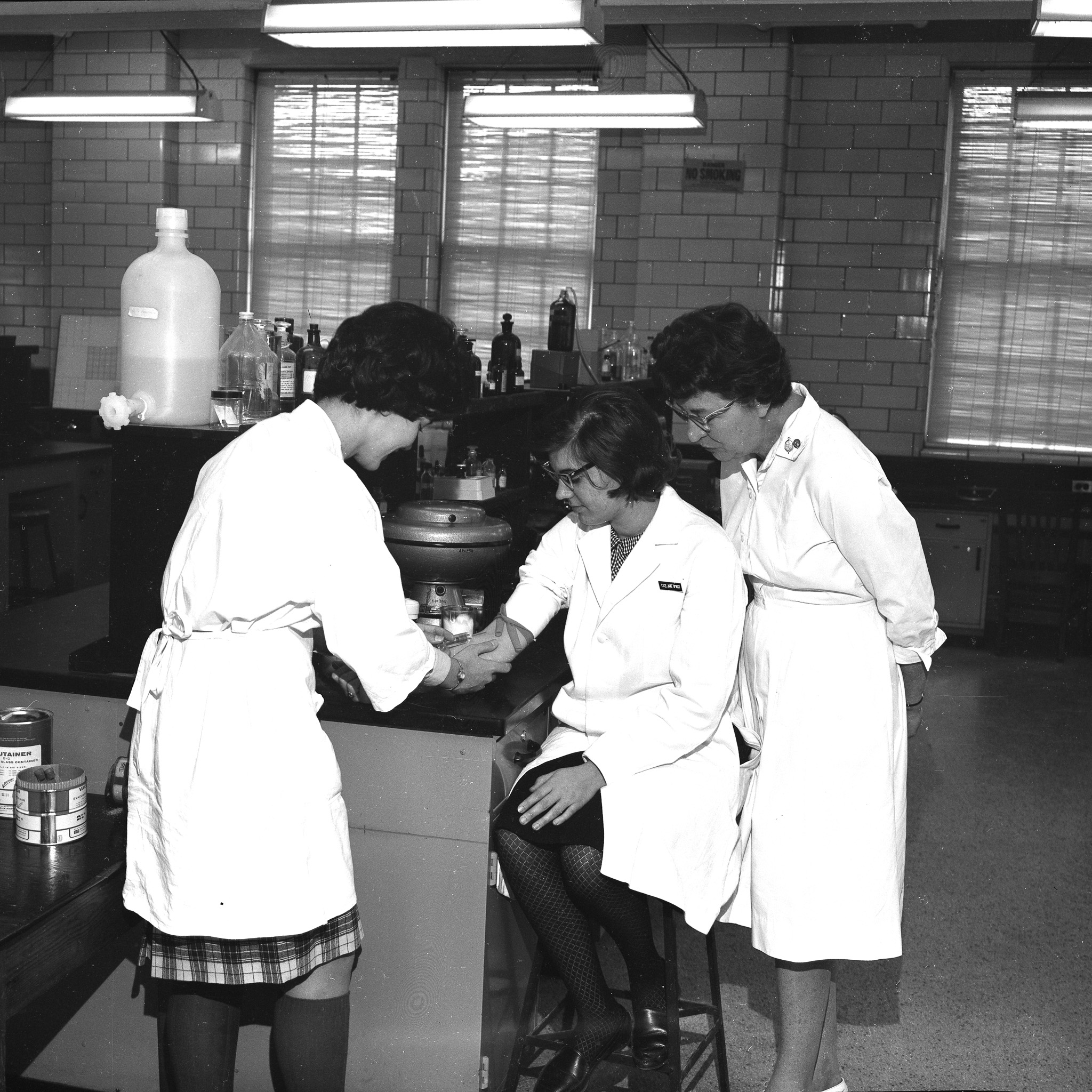
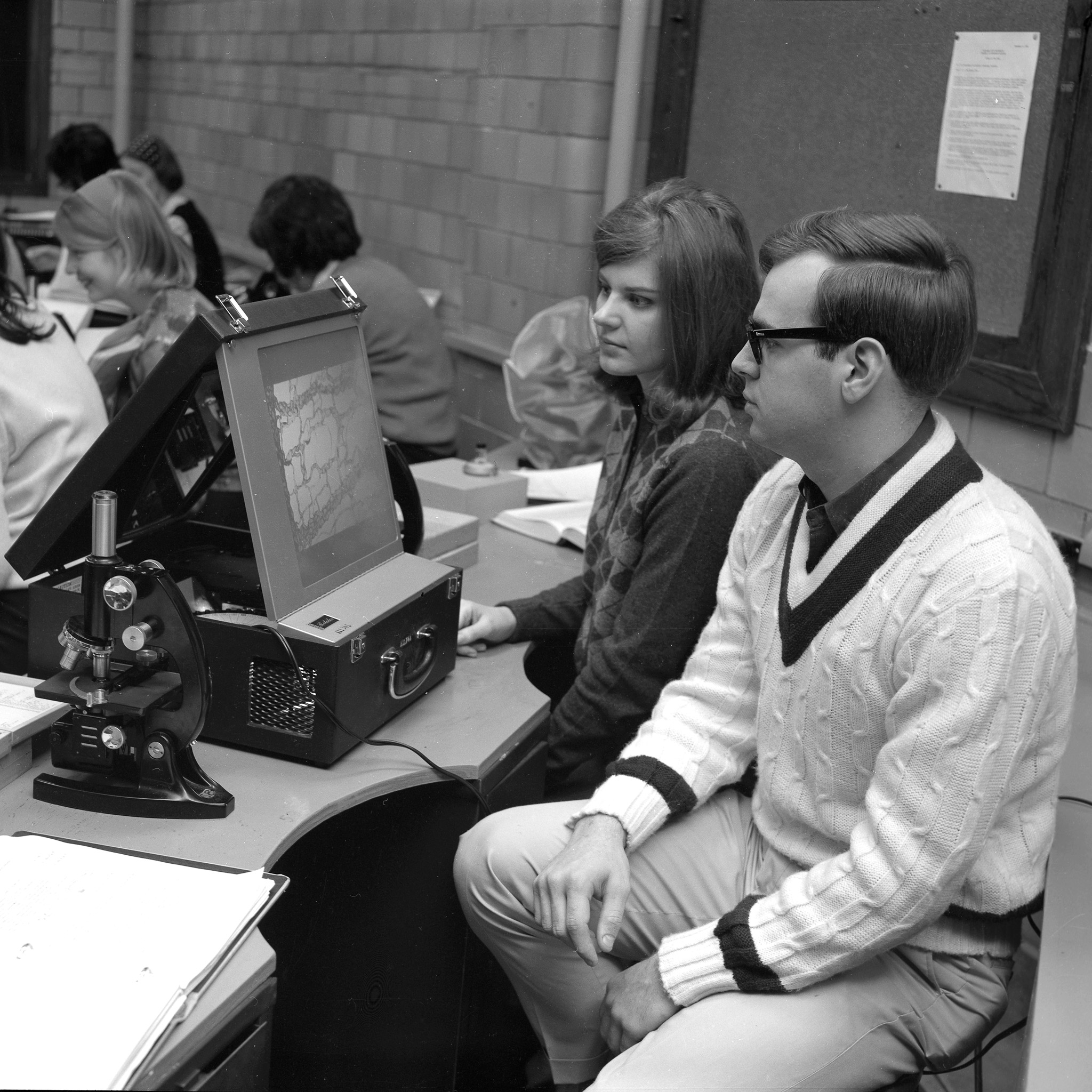
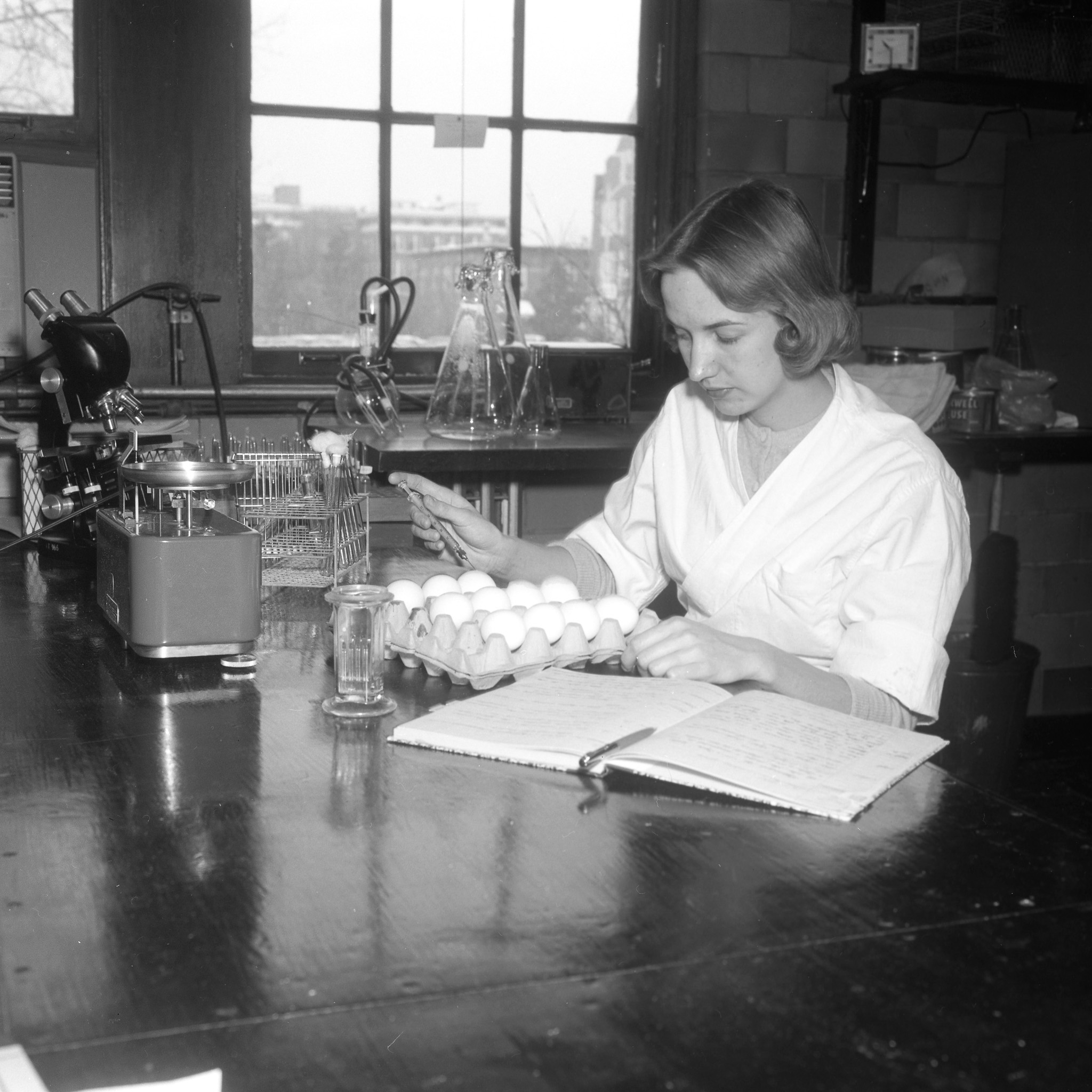
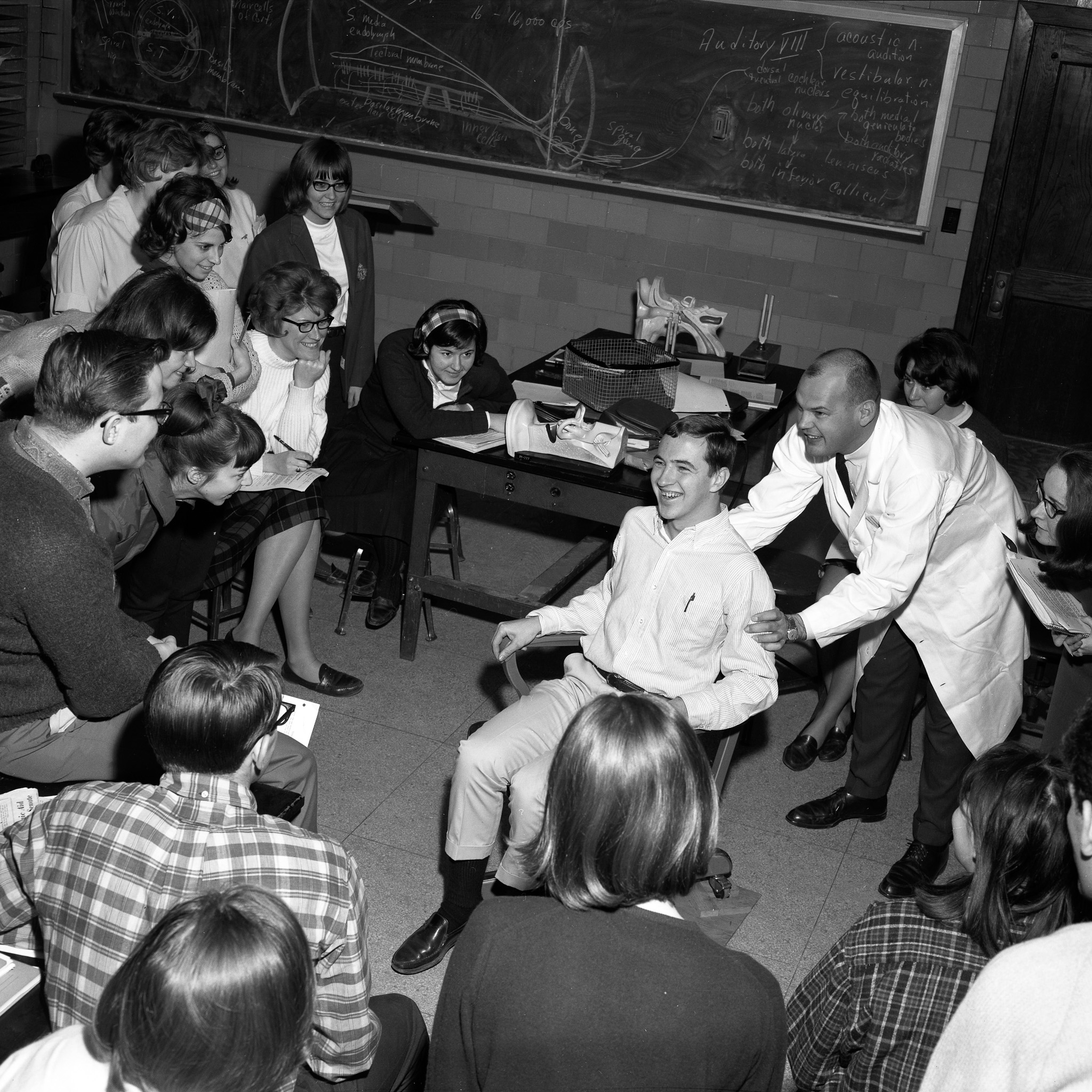

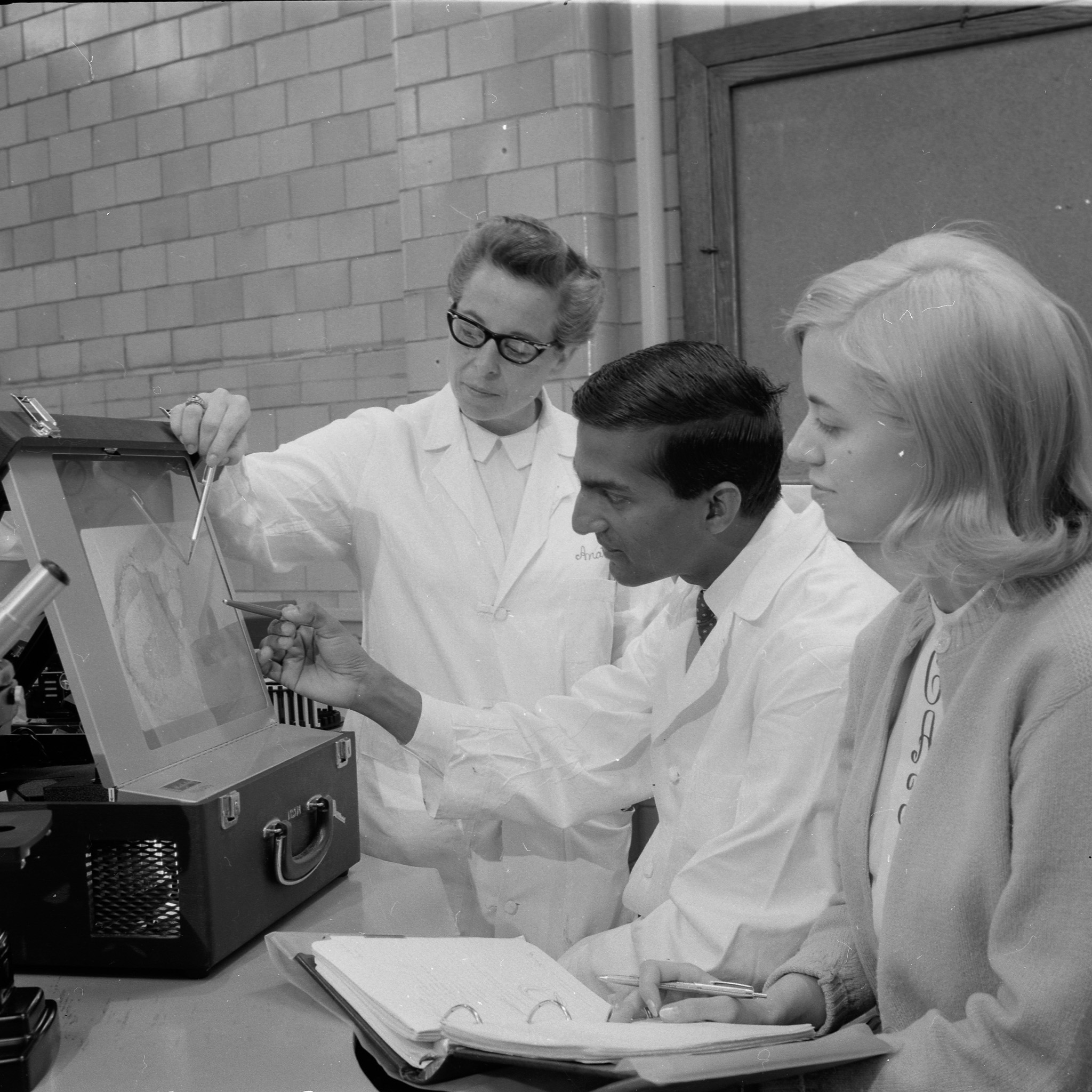
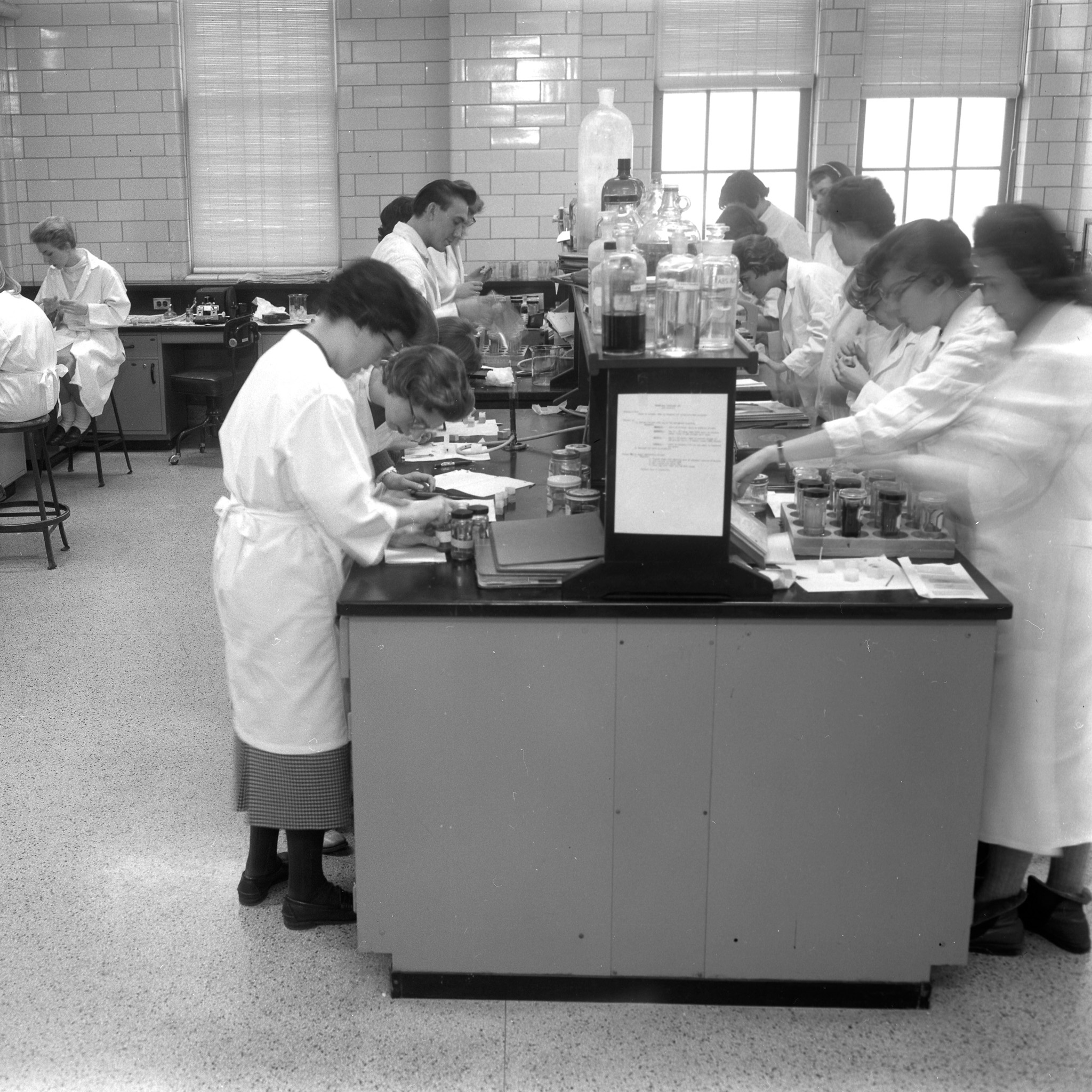

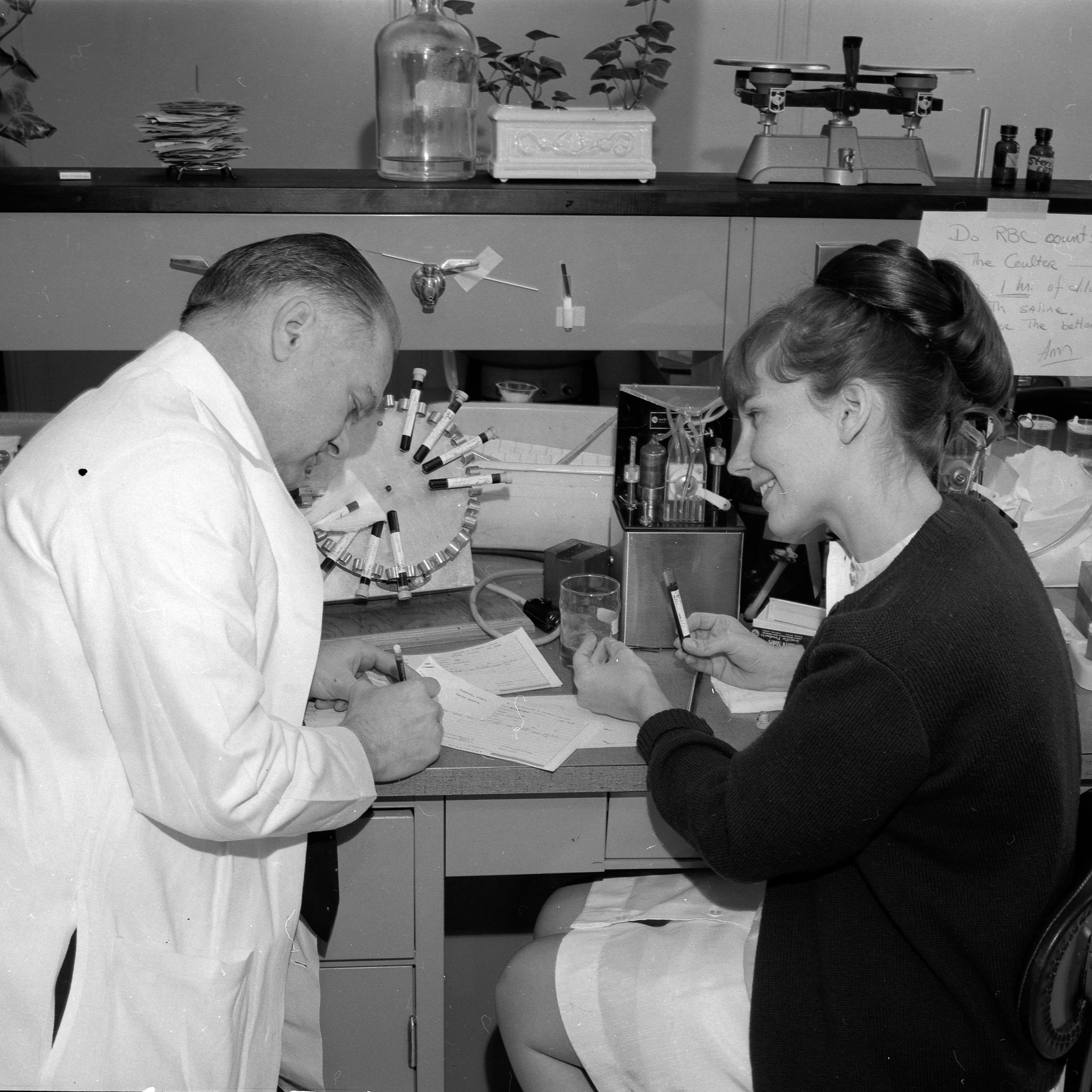

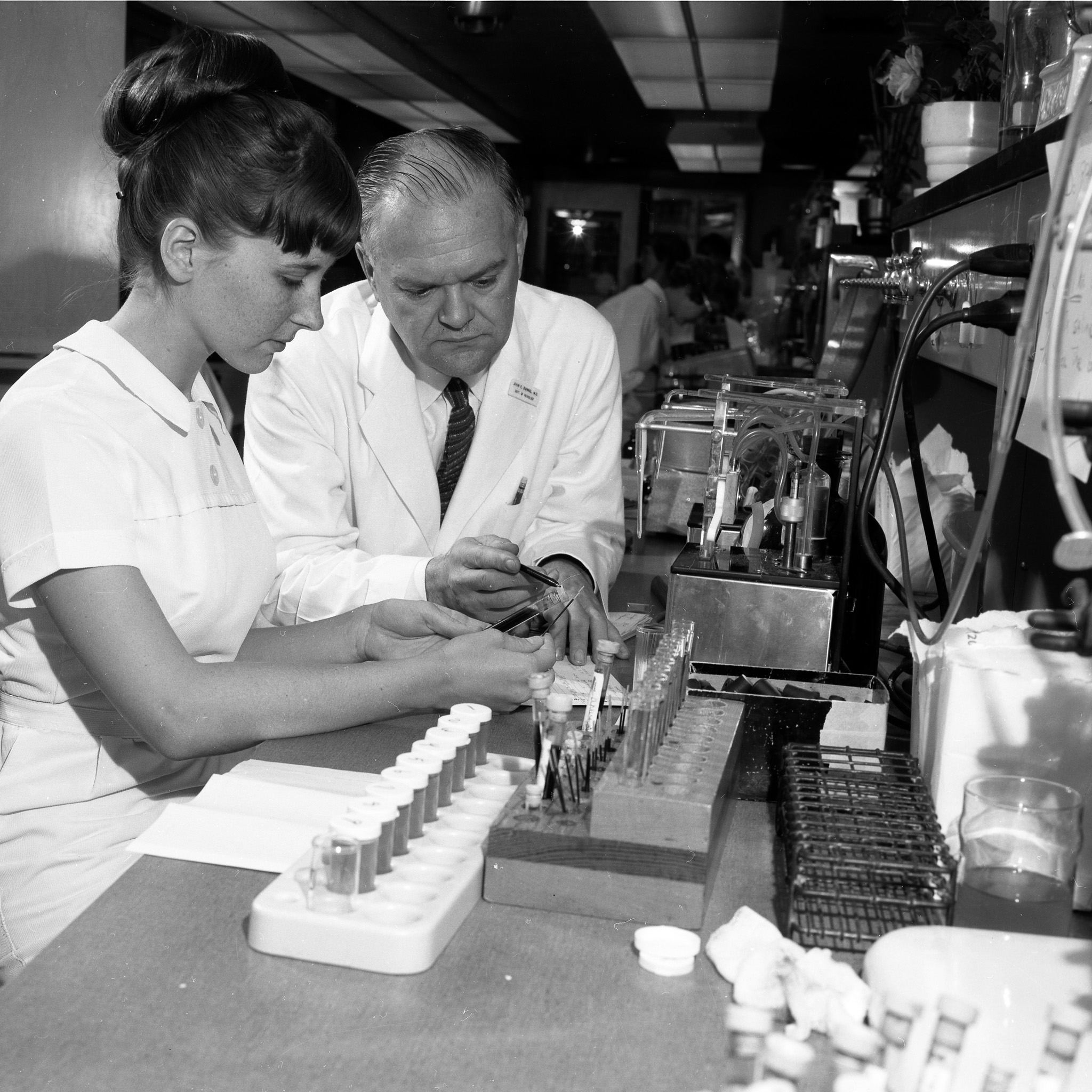
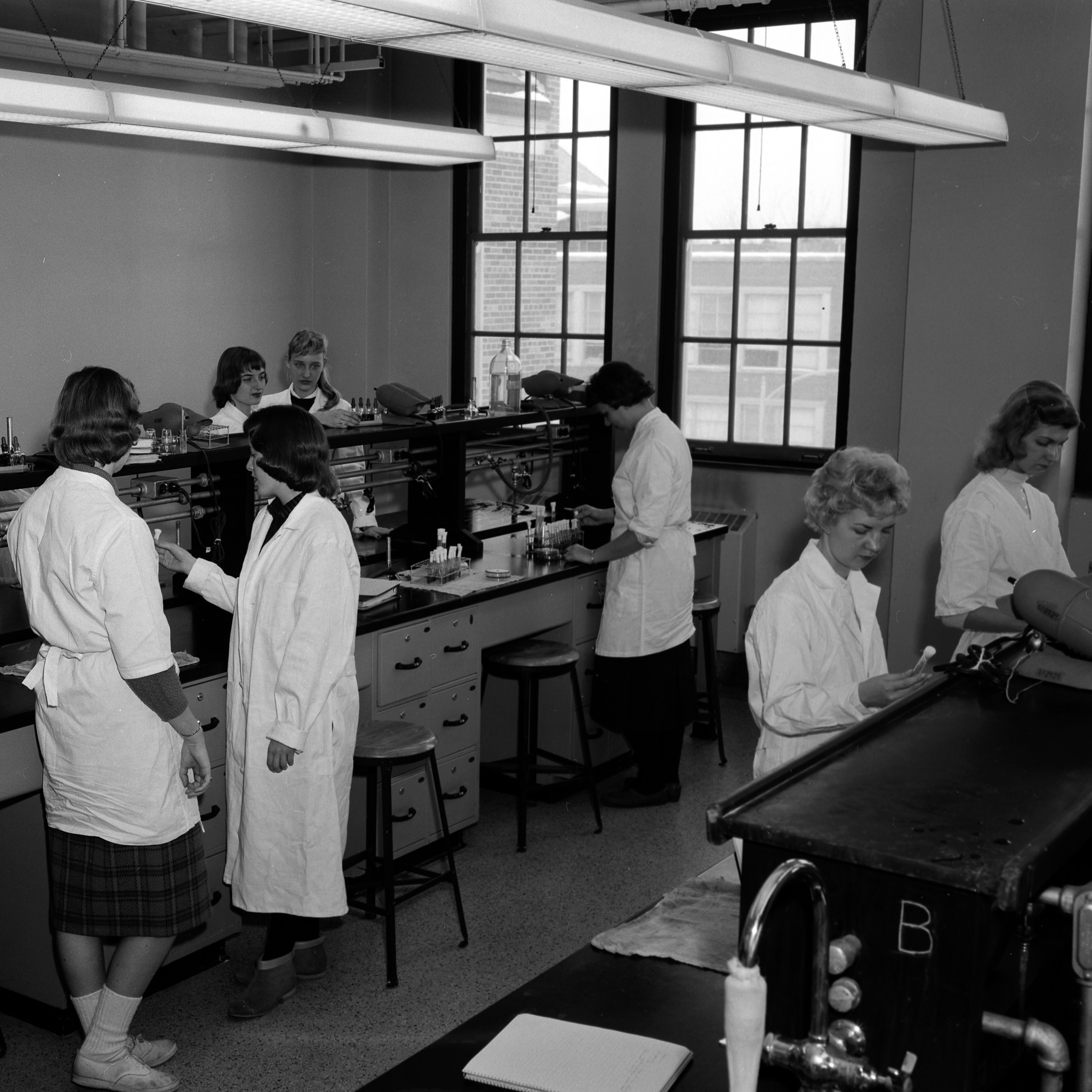
BLD History
Foundations and Early Growth (1926-1960)
1926: Medical Biology Curriculum Established
Under the leadership of Dr. Ward Giltner, Michigan State establishes the Medical Biology Curriculum, the first bachelor's degree program of its kind in the United States.
1930: Medical Biology Joins Veterinary Medicine
The Medical Biology Curriculum becomes part of the Division of Veterinary Medicine, strengthening its connection to laboratory science, bacteriology, and public health.
1944: Medical Technology Curriculum Established
Reflecting the increasing complexity of laboratory science, the Medical Biology curriculum is renamed Medical Technology.
1960: School of Medical Technology Established
The Medical Technology curriculum becomes the School of Medical Technology, marking an important step in the program's growth and recognition.
Expanding Healthcare and Science Connections (1967-1985)
1967: School of Medical Technology Moves to College of Human Medicine
The School of Medical Technology transitions to the College of Human Medicine, expanding its role in healthcare education and clinical practice.
1968: Master of Science in Clinical Laboratory Science Degree Initiated
The Master of Science in Clinical Laboratory Science degree is established, providing more opportunities for advanced study and supporting the growing need for graduate-level education in laboratory science.
1982: Medical Technology Program Moves to College of Natural Science
The School of Medical Technology becomes the Medical Technology Program and moves to the College of Natural Science, its current academic home.
1985: Clinical Laboratory Science Program Established
The Clinical Laboratory Science (CLS) Program is established, strengthening the program's focus on modern laboratory science and professional preparation.
Graduate Education and Program Innovation (1997-2008)
1997: Molecular Laboratory Diagnostics Certificate Initiated
The program introduces the Graduate Certificate Program in Molecular Laboratory Diagnostics, reinforcing the growing importance of molecular testing technologies.
2001: Molecular Diagnostics Certificate Offered Online
The Graduate Certificate Program in Molecular Laboratory Diagnostics transitions to online delivery, providing greater flexibility for working professionals around the world.
2003: Biomedical Laboratory Operations Master's Degree Initiated
The Master of Science in Biomedical Laboratory Operations is initiated to prepare professionals for leadership and management roles in laboratory settings.
2003: Graduate Certificate in Immunodiagnostics and Clinical Flow Cytometry Initiated
The Graduate Certificate in Immunodiagnostics and Clinical Flow Cytometry is established, providing specialized training in emerging diagnostic technologies used in research and clinical laboratories.
2005: Diagnostic Molecular Science Major Initiated
The Diagnostic Molecular Science (DMS) major is introduced, preparing students for careers in molecular diagnostics and emerging areas of laboratory medicine.
2008: Biomedical Laboratory Diagnostics Program Established
The Medical Technology Program is renamed the Biomedical Laboratory Diagnostics (BLD) Program, reflecting the expanding scope of modern laboratory science and healthcare education.
Modernizing the Profession (2010-2019)
2010: Biomedical Laboratory Operations Certificate Initiated
The Graduate Certificate in Managing Biomedical Laboratory Operations is introduced to support leadership development within the laboratory profession.
2011: Master of Arts in Biomedical Laboratory Science Initiated
The Master of Arts in Biomedical Laboratory Science is launched, adding a new graduate education option within the program.
2011: Medical Technology Major Renamed
The Medical Technology major is renamed Biomedical Laboratory Science.
2019: Clinical Laboratory Science Program Renamed
The Clinical Laboratory Science (CLS) Program is renamed Medical Laboratory Science (MLS) to align with national professional standards and terminology.
Century of Impact (2026)
2026: Celebrating 100 Years of BLD!
The Biomedical Laboratory Diagnostics (BLD) Program celebrates its centennial, honoring a century of innovation, education, research, and impact on healthcare and laboratory science.
Events
Be sure to mark you calendars for all of our 100th Anniversary Events and join us throughout the year to celebrate this incredible milestone!